Media Bias vs. Reader Bias
You'd think after 35 years in this business, I'd be used to charges of media bias, but the truth is that you never really get used to them.

You are now subscribed
Your newsletter sign-up was successful
Want to add more newsletters?

Delivered daily
Kiplinger Today
Profit and prosper with the best of Kiplinger's advice on investing, taxes, retirement, personal finance and much more delivered daily. Smart money moves start here.

Sent five days a week
Kiplinger A Step Ahead
Get practical help to make better financial decisions in your everyday life, from spending to savings on top deals.

Delivered daily
Kiplinger Closing Bell
Get today's biggest financial and investing headlines delivered to your inbox every day the U.S. stock market is open.

Sent twice a week
Kiplinger Adviser Intel
Financial pros across the country share best practices and fresh tactics to preserve and grow your wealth.

Delivered weekly
Kiplinger Tax Tips
Trim your federal and state tax bills with practical tax-planning and tax-cutting strategies.

Sent twice a week
Kiplinger Retirement Tips
Your twice-a-week guide to planning and enjoying a financially secure and richly rewarding retirement

Sent bimonthly.
Kiplinger Adviser Angle
Insights for advisers, wealth managers and other financial professionals.

Sent twice a week
Kiplinger Investing Weekly
Your twice-a-week roundup of promising stocks, funds, companies and industries you should consider, ones you should avoid, and why.

Sent weekly for six weeks
Kiplinger Invest for Retirement
Your step-by-step six-part series on how to invest for retirement, from devising a successful strategy to exactly which investments to choose.
You'd think after 35 years in this business, I'd be used to charges of media bias, but the truth is that you never really get used to them. That's probably a good thing -- soul-searching is good for anybody who takes pride in his craft. At the same time, though, I wish that the reading public would be a little more thoughtful in considering its own bias.
A few years back I taught a graduate seminar on journalism ethics, and we got into some pretty spirited debates over whether objectivity exists. One group held that objective writing is an impossible goal so reporters should give up trying, disclose our bias and let the advocacy fly, much as Fox, MSNBC, Huffington Post and radio talk show hosts do. That may have a place and purpose, but it's not journalism as I like to think of it.
The other view is that while journalists certainly have opinions -- and are entitled to them -- a professional knows how to put those opinions aside and leave them out of the stories he or she reports, much as a lawyer can defend a client he thinks is guilty or a doctor can treat a patient who's committed a crime.There will undoubtedly be lapses, but plenty of people are ready to point them out.
From just $107.88 $24.99 for Kiplinger Personal Finance
Become a smarter, better informed investor. Subscribe from just $107.88 $24.99, plus get up to 4 Special Issues

Sign up for Kiplinger’s Free Newsletters
Profit and prosper with the best of expert advice on investing, taxes, retirement, personal finance and more - straight to your e-mail.
Profit and prosper with the best of expert advice - straight to your e-mail.
But this debate about a reporter's obligations leaves out a crucial element: the responsibility of readers to read with an open mind. What becomes increasingly clear in today's world of strong opinions is how much bias the audience brings to the table. That's helpful when the opinions represent an overlooked point of view or an expertise that can inform the argument. But too often it leads to name calling and a shrill attack. Liberal or conservative, readers have opinions of their own and perceive slanted stories whenever the news doesn't support what they want to believe.
All this was brought home to me today by an example that landed on my desk. We wrote a story on the Kiplinger site right after the election that predicted that President-elect Obama would try to govern from the center. The story wasn't based on any inside-his-head sources -- just a close reading of what he'd said in the campaign and the realities of the problems he will face. While it's obviously too early to tell if we were right, I'd argue that his appointments so far suggest we were.
But today a reader complained that the story reflected bias on our part. The writer said this of Obama: "With the appointment of his radical friends, even if he were disposed to (govern from the center), it would be impossible." I'm frankly at a loss on how to respond. The reader may have had someone like Tom Daschle in mind. He's expected to be named secretary of health and human services and he does have a liberal reputation, but I can easily point to appointments such as Robert Gates to stay on at Defense of General James Jones as National Security Adviser, two men with proven centrist credentials who have worked in Republican adminstrations. Deep down, though, I know there is nothing I can say that will affect the views of the unhappy reader because he's not really listening.
His real message -- at least what his comments drive home to me -- is how polarized this country still is, even in this time of economic and military crisis, when much of the center of the country wants to at least hope that Obama can deliver on his promise to find a better way to govern by listening to all points of view and seeking common ground. What's clear from this letter is how difficult that is going to be.

-
 Ask the Tax Editor: Federal Income Tax Deductions
Ask the Editor In this week's Ask the Editor Q&A, Joy Taylor answers questions on federal income tax deductions
-
 States With No-Fault Car Insurance Laws (and How No-Fault Car Insurance Works)
A breakdown of the confusing rules around no-fault car insurance in every state where it exists.
-
 7 Frugal Habits to Keep Even When You're Rich
Some frugal habits are worth it, no matter what tax bracket you're in.


-
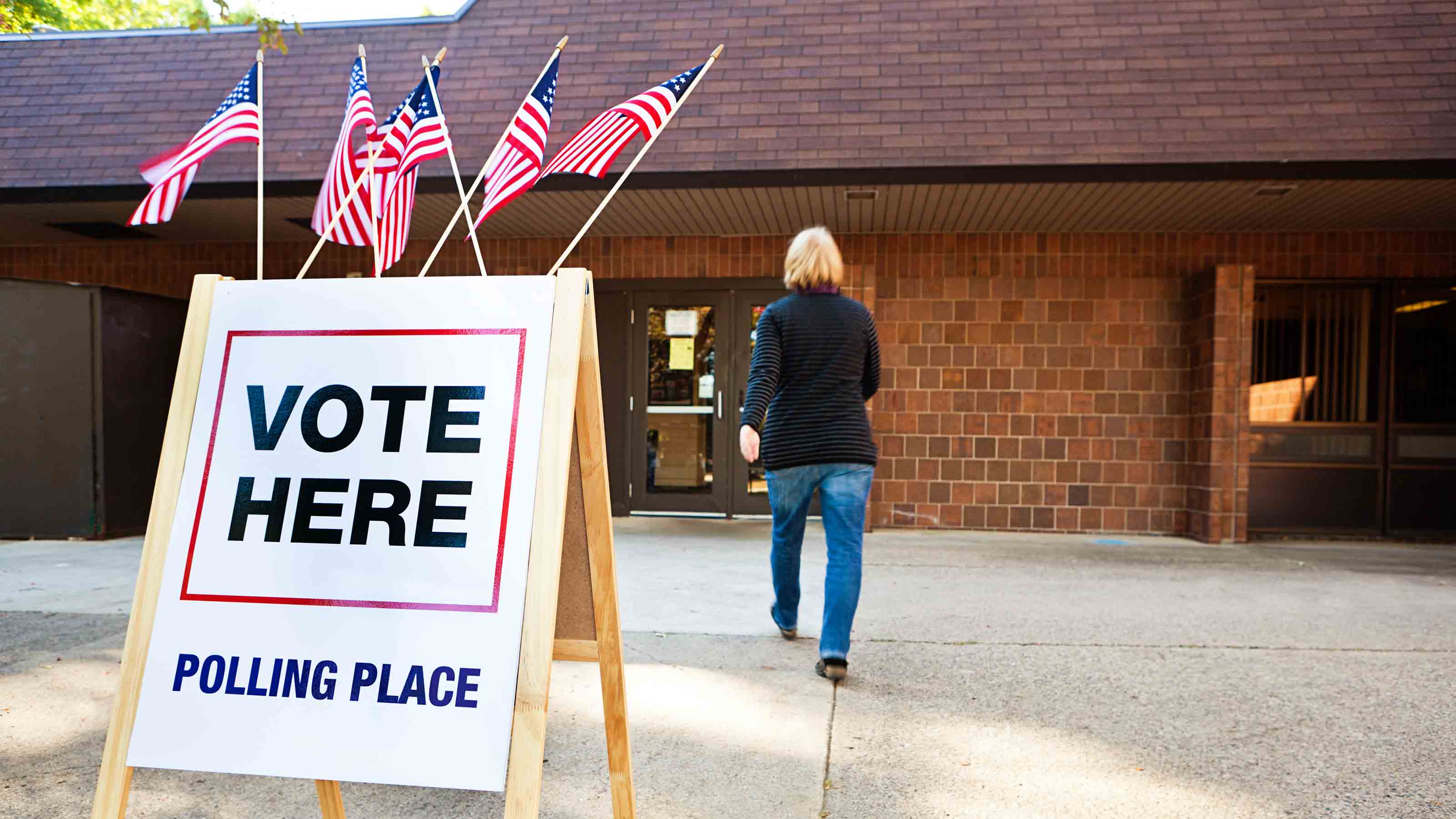 Kiplinger's 2020 Election Forecast
Politics For nearly a century, The Kiplinger Letter has forecasted the outcome of presidential elections to keep readers informed of what's coming and what it means for them. Here's our call for 2020.
-
 How the GOP Tax Bill May Affect Businesses
Business Costs & Regulation Corporations would enjoy a lower flat tax rate while individual owners of pass-throughs would also see a lower rate, but with more complex terms.
-
The Long Slog in Congress After Comey
Politics Trump's firing of the FBI director ruffled congressional feathers, but not enough to spur an independent investigation into Russian meddling in the 2016 U.S. election.
-
 Trump’s Tax Reform Plan Faces Tough Challenges
Politics A one-page outline isn't enough to satisfy a Congress interested in the details — and protecting constituents.
-
 Trump's Agenda and Challenges
Politics What lies ahead for the President-Elect.
-
Clinton on Track to Win 2016 Presidential Election
Politics Trump can win the White House, but faces an uphill climb.
-
 New Overtime Rules Will Hit Businesses This Year
Business Costs & Regulation A change in salary threshold will make more workers eligible for extra pay.
-
Bumpy Road Ahead in 2016 Presidential Race
Politics Trump will get a bounce after the Republican convention, but Clinton is poised to regain ground.


