Features

-

The $200,000 Olympic 'Pension' is a Retirement Game-Changer for Team USA
The donation by financier Ross Stevens is meant to be a "retirement program" for Team USA Olympic and Paralympic athletes.
By Donna LeValley
-

10 Cheapest Places to Live in Colorado
Property Tax Looking for a cozy cabin near the slopes? These Colorado counties combine reasonable house prices with the state's lowest property tax bills.
By Kate Schubel
-

How to Turn Your 401(k) Into A Real Estate Empire
Tapping your 401(k) to purchase investment properties is risky, but it could deliver valuable rental income in your golden years.
By Adam Shell
-

My First $1 Million: Retired Nuclear Plant Supervisor, 68
Ever wonder how someone who's made a million dollars or more did it? Kiplinger's My First $1 Million series uncovers the answers.
By Joyce Lamb
-

How to Position Investments to Minimize Taxes for Your Heirs
To minimize your heirs' tax burden, focus on aligning your investment account types and assets with your estate plan, and pay attention to the impact of RMDs.
By Christopher Budd
-

Are You 'Too Old' to Benefit From an Annuity?
Probably not, even if you're in your 70s or 80s, but it depends on your circumstances and the kind of annuity you're considering.
By Ken Nuss
-

Seeing Retirement Ahead? Why Your 50s Will Be So Significant
This is the perfect time to assess whether your retirement planning is on track and determine what steps you need to take if it's not.
By Kristy Eller
-

Your Retirement Isn't Set in Stone, But It Can Be a Work of Art
Setting and forgetting your retirement plan will make it hard to cope with life's challenges. Instead, consider redrawing and refining your plan as you go.
By Bonnie Treichel
-

The Bear Market Protocol: 3 Strategies to Consider in a Down Market
The Bear Market Protocol: 3 Strategies for a Down Market From buying the dip to strategic Roth conversions, there are several ways to use a bear market to your advantage — once you get over the fear factor.
By Mike Decker, NSSA®
-
You'll Probably Need Long-Term Care at Some Point. Here's How to Pay for It
Most people turning 65 today face a 70% chance of needing long-term care at some point — yet insurance remains expensive and often out of reach for many.
By Elaine Silvestrini
-

40 Stocks That Could Rally 40% or More
Analysts say these S&P 500 stocks have at least 40% price upside over the next year or so.
By Dan Burrows
-
The Roth IRA Advantage: 10 Things Every Saver Needs to Understand
Financial Planning A Roth IRA can be a great way to save for retirement, as the accounts have no required minimum distributions and you can withdraw the money tax-free.
By Jackie Stewart
-

The Average Social Security Check in Every State
Do you live in this New England state with the heftiest check? Your Social Security benefit can be affected by where you live.
By Donna LeValley
-

Exports have held up reasonably well despite tariff disputes
Forecasts Kiplinger's latest forecast on trade: U.S. exports, imports and our net trade deficit.
By Rodrigo Sermeño
-

Kiplinger Housing Outlook: A Critical Turning Point in 2026
Economic Outlooks The housing market is in the doldrums, but subtle shifts are finally on the way.
By Rodrigo Sermeño
-

How Collectibles Are Taxed: A Closer Look at Capital Gains Rules
Collectibles Gains on collectibles like gold can be subject to a higher rate than for most other investments.
By Kelley R. Taylor
-

Illinois Tax Guide
State Tax Explore Illinois's state tax rates for income, sales, property, retirement, and more. Learn how Illinois compares nationwide.
By Katelyn Washington
-

The Best Value Stocks to Buy
Value stocks can be defined differently depending on who you ask. Here, we look at ways to measure valuation and how investors can find the best value stocks.
By Kyle Woodley
-

The Retirement Rule of $1 More
The Rule of $1 More explains how to plan for critical retirement thresholds. "You don't want to step off a cliff just because of $1 more."
By Jacob Schroeder
-

Hawaii Tax Guide
State Tax Explore Hawaii's state tax rates for income, sales, property, retirement, and more. Learn how Hawaii compares nationwide.
By Katelyn Washington
-

Tax Benefits of Hiring Your Kids Plus IRS Rules to Follow
Tax Breaks Hiring your child can potentially lower your tax bill and help kids develop skills, but there are some rules you need to know — and follow.
By Kelley R. Taylor
-
Ask the Tax Editor: Federal Income Tax Deductions
Ask the Editor In this week's Ask the Editor Q&A, Joy Taylor answers questions on federal income tax deductions
By Joy Taylor
-

States With No-Fault Car Insurance Laws (and How No-Fault Car Insurance Works)
A breakdown of the confusing rules around no-fault car insurance in every state where it exists.
By Rachael Green
-

Why Picking a Retirement Age Feels Impossible (and How to Finally Decide)
Struggling with picking a date? Experts explain how to get out of your head and retire on your own terms.
By Donna Fuscaldo
-

The Best Precious Metals ETFs to Buy in 2026
Precious metals ETFs provide a hedge against monetary debasement and exposure to industrial-related tailwinds from emerging markets.
By Tony Dong, MSc
-
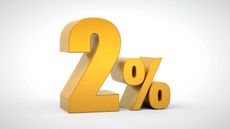
For the 2% Club, Guardrails and the 4% Rule Do Not Work
For retirees with a pension, traditional withdrawal rules could be too restrictive. You need a tailored income plan that is much more flexible and realistic.
By Joe F. Schmitz Jr., CFP®, ChFC®, CKA®
-

Now Is the Time to Start Designing Your 2027 Retirement
This is when you should be shifting your focus from growing your portfolio to designing an income and tax strategy that aligns your resources with your purpose.
By Brian Skrobonja, Chartered Financial Consultant (ChFC®)
-

Reduce Stress With a Layered Approach for Your Retirement Money
To be confident about retirement, consider building a safety net by dividing assets into distinct layers and establishing a regular review process. Here's how.
By Jeff Judge, CFP®, ChFC®, CLU®, AEP®
-

Retirement Savings On Track? How Much You Should Have By 60 and 65
See how your retirement savings stack up compared to this Wall Street guide, ranked by age and income.
By Donna Fuscaldo


