You are now subscribed
Your newsletter sign-up was successful
Want to add more newsletters?

Delivered daily
Kiplinger Today
Profit and prosper with the best of Kiplinger's advice on investing, taxes, retirement, personal finance and much more delivered daily. Smart money moves start here.

Sent five days a week
Kiplinger A Step Ahead
Get practical help to make better financial decisions in your everyday life, from spending to savings on top deals.

Delivered daily
Kiplinger Closing Bell
Get today's biggest financial and investing headlines delivered to your inbox every day the U.S. stock market is open.

Sent twice a week
Kiplinger Adviser Intel
Financial pros across the country share best practices and fresh tactics to preserve and grow your wealth.

Delivered weekly
Kiplinger Tax Tips
Trim your federal and state tax bills with practical tax-planning and tax-cutting strategies.

Sent twice a week
Kiplinger Retirement Tips
Your twice-a-week guide to planning and enjoying a financially secure and richly rewarding retirement

Sent bimonthly.
Kiplinger Adviser Angle
Insights for advisers, wealth managers and other financial professionals.

Sent twice a week
Kiplinger Investing Weekly
Your twice-a-week roundup of promising stocks, funds, companies and industries you should consider, ones you should avoid, and why.

Sent weekly for six weeks
Kiplinger Invest for Retirement
Your step-by-step six-part series on how to invest for retirement, from devising a successful strategy to exactly which investments to choose.
At first glance, Sysco Corp. would seem like a stock to avoid in a weakening economy. The largest distributor in the food-away-from-home industry books nearly all of its sales in North America, currently a weak link in the global economy. Food inflation zoomed from zero at the start of 2007 to 6% during the year. High gasoline prices are squeezing restaurants, from which Sysco derives 64% of sales.
But if you look deeper, you'll find a company with enormous strengths, built to weather hard times -- and even flourish in them. That's how Houston-based Sysco has boosted sales and dividends every year since it went public in 1970. "We tend to do better than our competition in tough times," says chairman and chief executive Richard Schnieders. He aspires to boost Sysco's market-leading share from about 15% to 25% over time.
The away-from-home food business in the U.S. and Canada is a $225-billion industry at wholesale. Sysco provides its customers with everything from food (fresh, frozen and canned) to paper products to kitchen equipment. Its roughly 400,000 clients include restaurants (most of them independent local operators), hotels, hospitals, schools and company cafeterias -- pretty much any place that prepares food. Major customers include Wendy's and Whole Foods.
From just $107.88 $24.99 for Kiplinger Personal Finance
Become a smarter, better informed investor. Subscribe from just $107.88 $24.99, plus get up to 4 Special Issues

Sign up for Kiplinger’s Free Newsletters
Profit and prosper with the best of expert advice on investing, taxes, retirement, personal finance and more - straight to your e-mail.
Profit and prosper with the best of expert advice - straight to your e-mail.
A glamorous business it isn't. But Sysco, built through more than 140 acquisitions, can turn a nice profit through scale, efficiency and a wide network of distribution centers across the U.S. and Canada. In the fiscal year that ended in June 2007, it earned $1 billion after taxes, or $1.60 per share, on sales of $35 billion. Revenues this year should approach $38 billion.
A 3% net margin doesn't sound high, but that doesn't tell the profitability story. Sysco consistently generates a return on capital in excess of 20%, while its cost of capital is less than 10%. A business with those kinds of numbers creates enormous economic value for shareholders, year in and year out. That is reflected in Sysco's bountiful free cash flow (cash available after necessary capital spending) and impressive record of boosting dividends, which have compounded by 17% annualized over the past ten years. The company also achieves an unusually high return on equity (a measure of profitability) of more than 30%.
How does Schnieders intend to keep boosting profits and grabbing market share? First, Sysco is so indispensable to its customers that it has little trouble passing on increases in food prices to them. Schnieders says the company is drawing closer to clients through joint "business reviews," which typically include advice on menus and operating details, such as inventory control.
Sysco is also strengthening its already potent, industry-leading network of 177 distribution centers -- more than twice the number of its largest competitor, privately held US Foodservice. It is building six regional redistribution centers that Schnieders says will dramatically improve efficiency in the supply chain. The concept, he says, is akin to Wal-Mart's logistics system and is unlikely to be replicated by Sysco's rivals. "Our network is so much bigger and more powerful than the competition, which doesn't have the systems to do it," he says.
Sysco will likely gain market share in a recession, but the stock is selling at recessionary prices. At $29 in mid February, Sysco (symbol SYY) traded at 16 times estimated 2008 earnings. That compares with an average price-earnings ratio of 23 over the past five years, says analyst Mark Churchill, of Piper Jaffray, and it's the lowest the P/E has been in the past decade. Plus, you get paid a 3% yield while you wait for the stock to appreciate.
-
 The Bear Market Protocol: 3 Strategies to Consider in a Down Market
The Bear Market Protocol: 3 Strategies for a Down Market From buying the dip to strategic Roth conversions, there are several ways to use a bear market to your advantage — once you get over the fear factor.
-
 Dow Adds 1,206 Points to Top 50,000: Stock Market Today
The S&P 500 and Nasdaq also had strong finishes to a volatile week, with beaten-down tech stocks outperforming.
-
 Ask the Tax Editor: Federal Income Tax Deductions
Ask the Editor In this week's Ask the Editor Q&A, Joy Taylor answers questions on federal income tax deductions


-
 How the Stock Market Performed in the First Year of Trump's Second Term
Six months after President Donald Trump's inauguration, take a look at how the stock market has performed.
-
 What the Rich Know About Investing That You Don't
People like Warren Buffett become people like Warren Buffett by following basic rules and being disciplined. Here's how to accumulate real wealth.
-
 How to Invest for Rising Data Integrity Risk
Amid a broad assault on venerable institutions, President Trump has targeted agencies responsible for data critical to markets. How should investors respond?
-
 What Tariffs Mean for Your Sector Exposure
New, higher and changing tariffs will ripple through the economy and into share prices for many quarters to come.
-
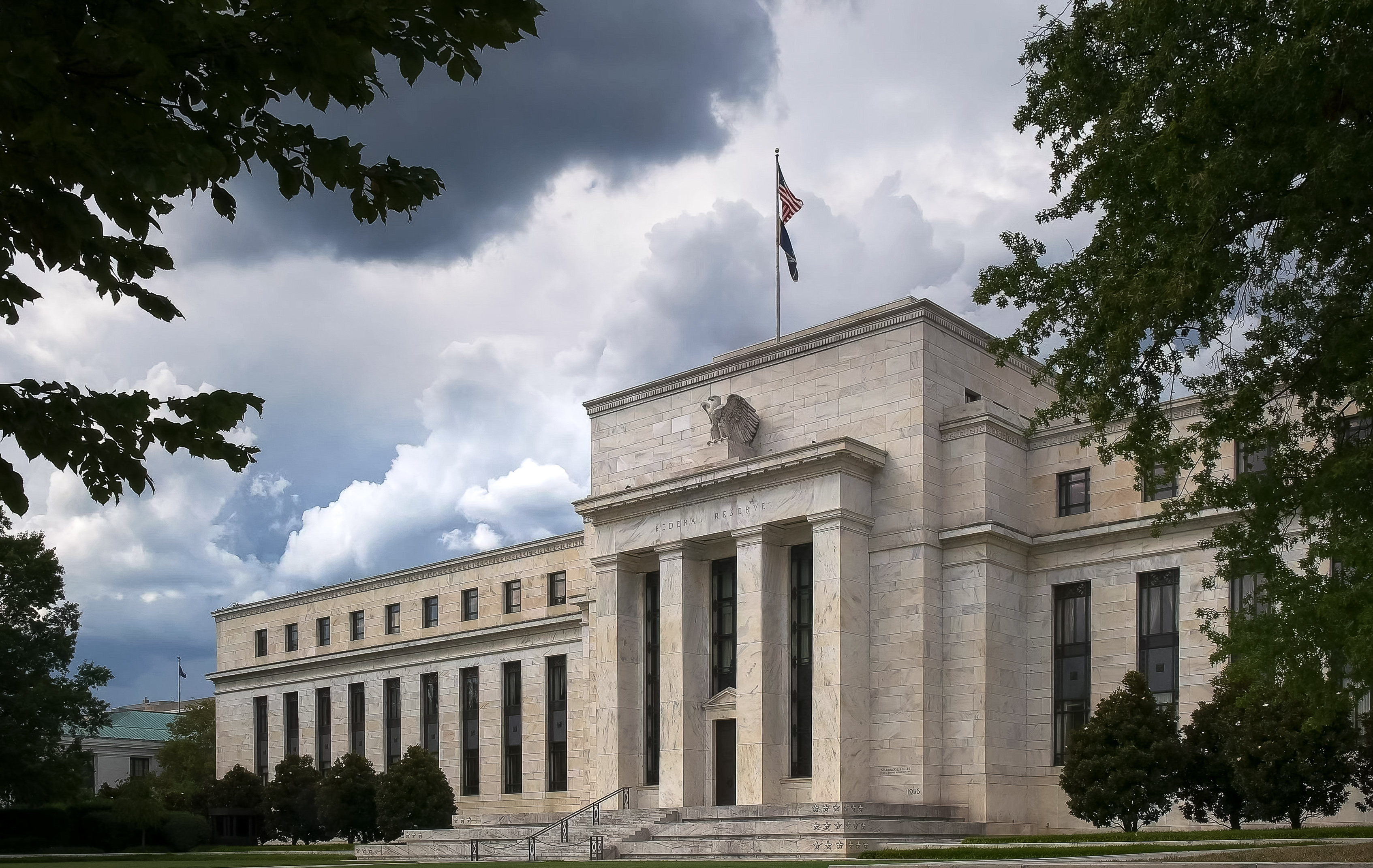 How to Invest for Fall Rate Cuts by the Fed
The probability the Fed cuts interest rates by 25 basis points in October is now greater than 90%.
-
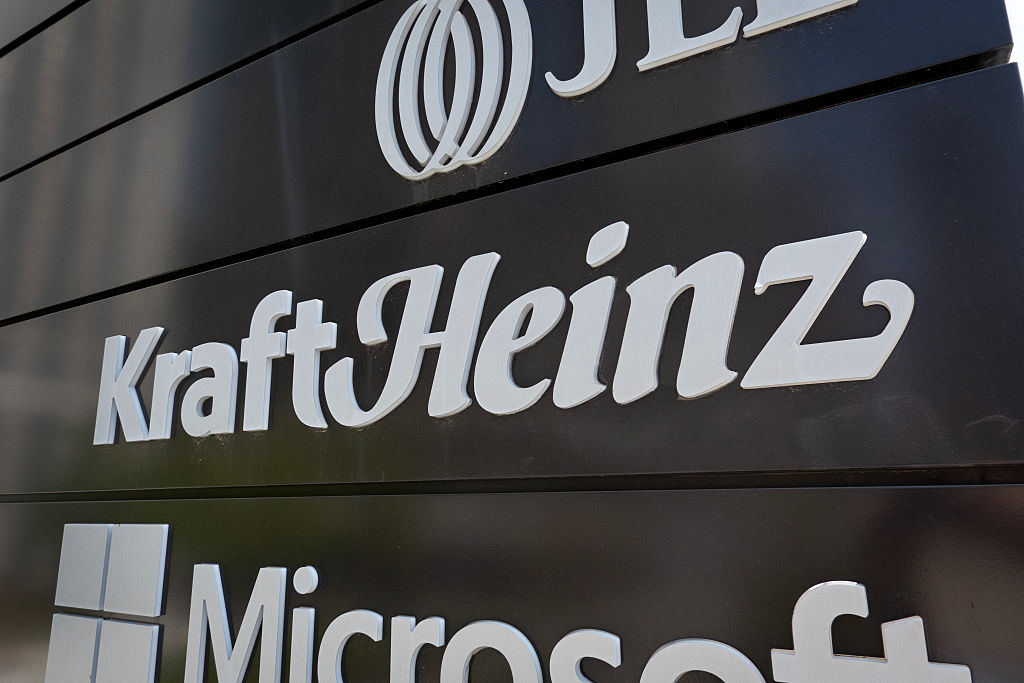 Are Buffett and Berkshire About to Bail on Kraft Heinz Stock?
Warren Buffett and Berkshire Hathaway own a lot of Kraft Heinz stock, so what happens when they decide to sell KHC?
-
 How the Stock Market Performed in the First 6 Months of Trump's Second Term
Six months after President Donald Trump's inauguration, take a look at how the stock market has performed.
-
 Fed Leaves Rates Unchanged: What the Experts Are Saying
Federal Reserve As widely expected, the Federal Open Market Committee took a 'wait-and-see' approach toward borrowing costs.


