Ken Fisher Says to Cut Yourself From the Herd
<i>The Only Three Questions That Count</i> offers ideas to chew on.

You are now subscribed
Your newsletter sign-up was successful
Want to add more newsletters?

Delivered daily
Kiplinger Today
Profit and prosper with the best of Kiplinger's advice on investing, taxes, retirement, personal finance and much more delivered daily. Smart money moves start here.

Sent five days a week
Kiplinger A Step Ahead
Get practical help to make better financial decisions in your everyday life, from spending to savings on top deals.

Delivered daily
Kiplinger Closing Bell
Get today's biggest financial and investing headlines delivered to your inbox every day the U.S. stock market is open.

Sent twice a week
Kiplinger Adviser Intel
Financial pros across the country share best practices and fresh tactics to preserve and grow your wealth.

Delivered weekly
Kiplinger Tax Tips
Trim your federal and state tax bills with practical tax-planning and tax-cutting strategies.

Sent twice a week
Kiplinger Retirement Tips
Your twice-a-week guide to planning and enjoying a financially secure and richly rewarding retirement

Sent bimonthly.
Kiplinger Adviser Angle
Insights for advisers, wealth managers and other financial professionals.

Sent twice a week
Kiplinger Investing Weekly
Your twice-a-week roundup of promising stocks, funds, companies and industries you should consider, ones you should avoid, and why.

Sent weekly for six weeks
Kiplinger Invest for Retirement
Your step-by-step six-part series on how to invest for retirement, from devising a successful strategy to exactly which investments to choose.
The questions in Ken Fisher's new book, The Only Three Questions That Count (John Wiley Sons, $28), seem cryptic. They boil down to: What do you think you know that you don't know? What can you know that others can't know? And, in a bow to the relatively new field of behavioral finance, what is your brain doing to trip you up?
Fisher, a money manager and Forbes columnist, says that answering those questions can free you from the tyranny of market myths. Among them: that a market that sells at a high price-earnings ratio is riskier than a low P/E market, that budget deficits are bad and that a weak dollar hurts stocks. He shows why some of these supposed axioms are false.
The trick to making money, he says, is to identify patterns that few others see. For example, an inverted yield curve in the U.S. (when short-term interest rates are higher than long-term rates) isn't considered bearish for stocks if yield curves elsewhere in the world have a normal, upward slope.
From just $107.88 $24.99 for Kiplinger Personal Finance
Become a smarter, better informed investor. Subscribe from just $107.88 $24.99, plus get up to 4 Special Issues

Sign up for Kiplinger’s Free Newsletters
Profit and prosper with the best of expert advice on investing, taxes, retirement, personal finance and more - straight to your e-mail.
Profit and prosper with the best of expert advice - straight to your e-mail.
The bulk of the book examines various patterns and trends, describing which to note and which to ignore. Although Fisher often rambles, he makes a number of useful points. So if you're a serious stock picker, this book is worthwhile -- even if you have to wade through a six-point treatise on Gertrude Stein.

-
 Dow Adds 1,206 Points to Top 50,000: Stock Market Today
The S&P 500 and Nasdaq also had strong finishes to a volatile week, with beaten-down tech stocks outperforming.
-
 Ask the Tax Editor: Federal Income Tax Deductions
Ask the Editor In this week's Ask the Editor Q&A, Joy Taylor answers questions on federal income tax deductions
-
 States With No-Fault Car Insurance Laws (and How No-Fault Car Insurance Works)
A breakdown of the confusing rules around no-fault car insurance in every state where it exists.


-
 Best Banks for High-Net-Worth Clients
wealth management These banks welcome customers who keep high balances in deposit and investment accounts, showering them with fee breaks and access to financial-planning services.
-
 Stock Market Holidays in 2026: NYSE, NASDAQ and Wall Street Holidays
Markets When are the stock market holidays? Here, we look at which days the NYSE, Nasdaq and bond markets are off in 2026.
-
 Stock Market Trading Hours: What Time Is the Stock Market Open Today?
Markets When does the market open? While the stock market has regular hours, trading doesn't necessarily stop when the major exchanges close.
-
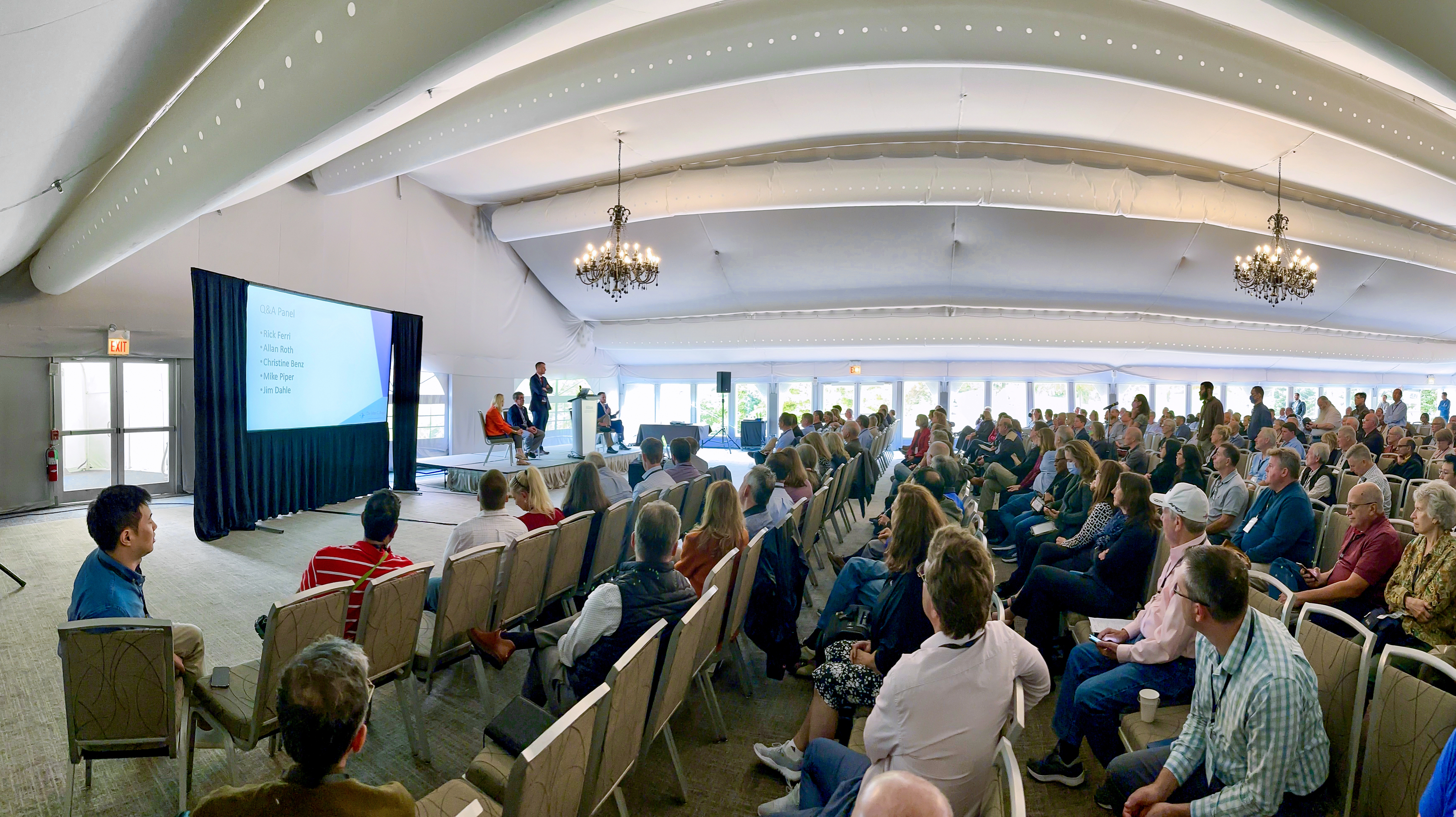 Bogleheads Stay the Course
Bears and market volatility don’t scare these die-hard Vanguard investors.
-
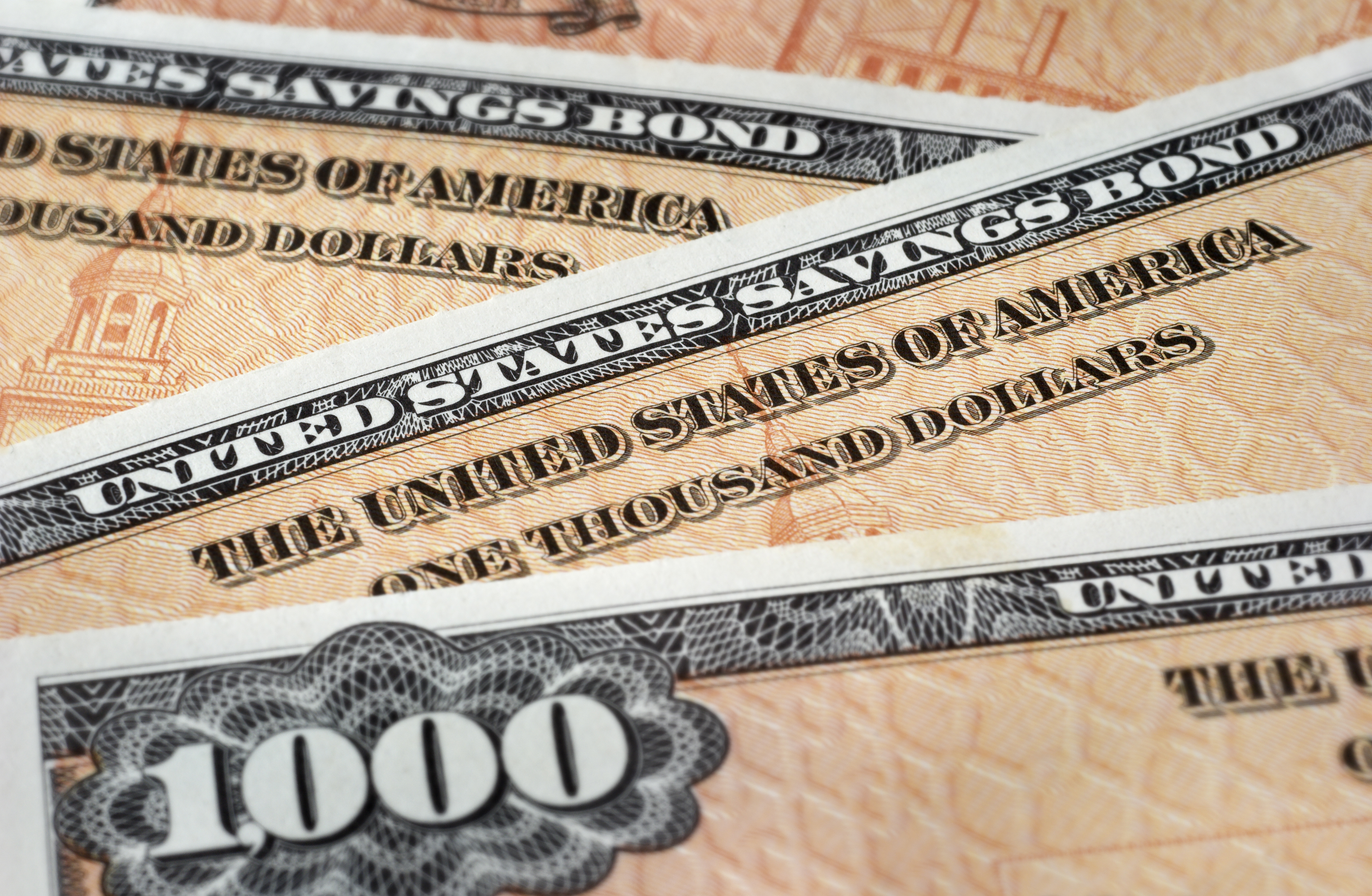 The Current I-Bond Rate Is Mildly Attractive. Here's Why.
Investing for Income The current I-bond rate is active until April 2026 and presents an attractive value, if not as attractive as in the recent past.
-
 What Are I-Bonds? Inflation Made Them Popular. What Now?
savings bonds Inflation has made Series I savings bonds, known as I-bonds, enormously popular with risk-averse investors. How do they work?
-
 This New Sustainable ETF’s Pitch? Give Back Profits.
investing Newday’s ETF partners with UNICEF and other groups.
-
 As the Market Falls, New Retirees Need a Plan
retirement If you’re in the early stages of your retirement, you’re likely in a rough spot watching your portfolio shrink. We have some strategies to make the best of things.


