Personal Finance Wisdom From the Year of the Rooster
When it comes to money and success, people born under the Chinese zodiac sign of the rooster can teach the rest of us a thing or two.

You are now subscribed
Your newsletter sign-up was successful
Want to add more newsletters?

Delivered daily
Kiplinger Today
Profit and prosper with the best of Kiplinger's advice on investing, taxes, retirement, personal finance and much more delivered daily. Smart money moves start here.

Sent five days a week
Kiplinger A Step Ahead
Get practical help to make better financial decisions in your everyday life, from spending to savings on top deals.

Delivered daily
Kiplinger Closing Bell
Get today's biggest financial and investing headlines delivered to your inbox every day the U.S. stock market is open.

Sent twice a week
Kiplinger Adviser Intel
Financial pros across the country share best practices and fresh tactics to preserve and grow your wealth.

Delivered weekly
Kiplinger Tax Tips
Trim your federal and state tax bills with practical tax-planning and tax-cutting strategies.

Sent twice a week
Kiplinger Retirement Tips
Your twice-a-week guide to planning and enjoying a financially secure and richly rewarding retirement

Sent bimonthly.
Kiplinger Adviser Angle
Insights for advisers, wealth managers and other financial professionals.

Sent twice a week
Kiplinger Investing Weekly
Your twice-a-week roundup of promising stocks, funds, companies and industries you should consider, ones you should avoid, and why.

Sent weekly for six weeks
Kiplinger Invest for Retirement
Your step-by-step six-part series on how to invest for retirement, from devising a successful strategy to exactly which investments to choose.
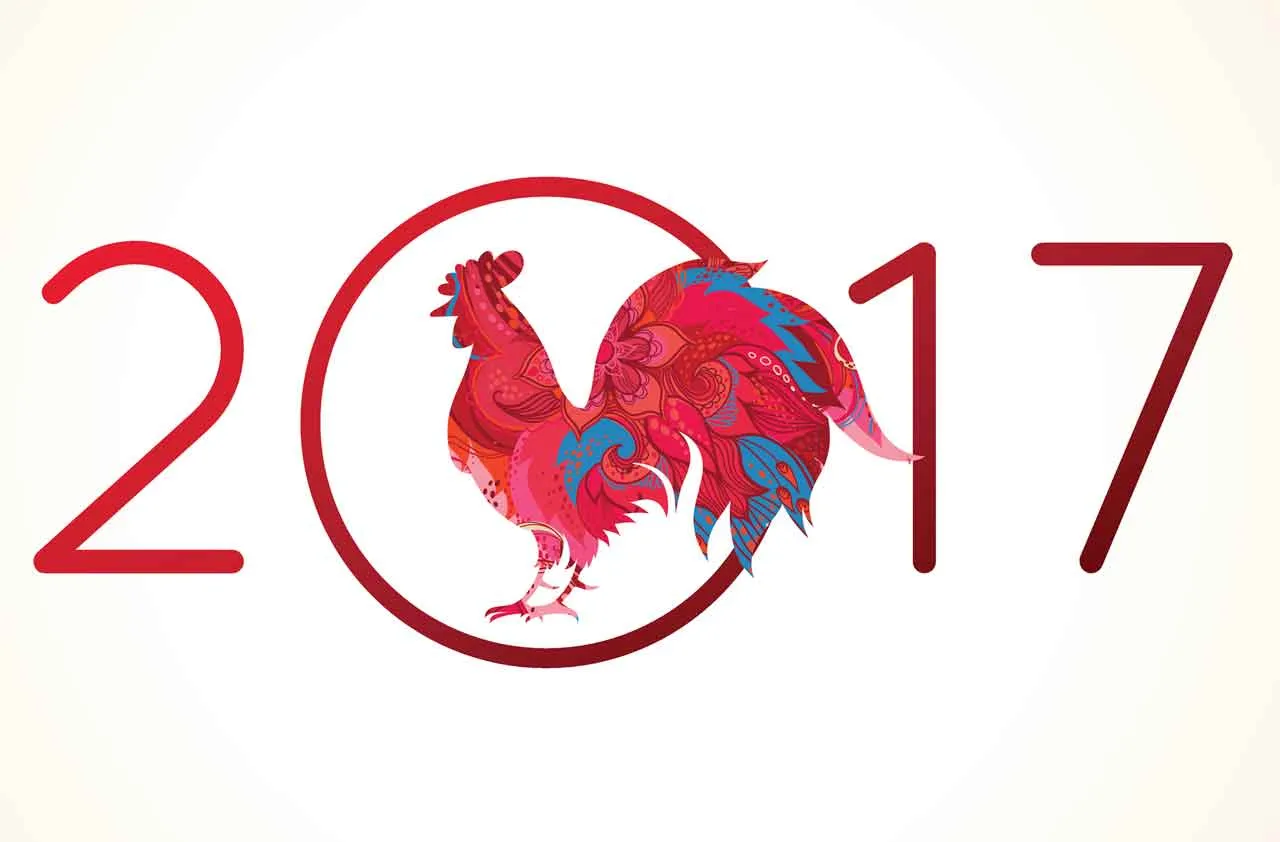
According to the Western calendar, Jan. 28 marks the beginning of the Chinese New Year — also known as “Spring Festival” — the longest and most important celebration for Chinese families across the globe.
Because the Chinese calendar is lunisolar, meaning it is based on both lunar and solar cycles, it is celebrated on a different date each year. The lunar calendar also defines the 12-year repeating cycle of Chinese zodiac with each year named after an animal, and 2017 is the year of the fire rooster.
The rooster is described by the Chinese zodiac system as observant, honest, talented and confident. People born under this animal’s sign — in 1921, 1933, 1945, 1957, 1969, 1981, 1993 or 2005 — are thought to be responsible workers with good time management, which bodes well in terms of being financially savvy. One negative aspect of the rooster is the desire to be in the spotlight.
From just $107.88 $24.99 for Kiplinger Personal Finance
Become a smarter, better informed investor. Subscribe from just $107.88 $24.99, plus get up to 4 Special Issues

Sign up for Kiplinger’s Free Newsletters
Profit and prosper with the best of expert advice on investing, taxes, retirement, personal finance and more - straight to your e-mail.
Profit and prosper with the best of expert advice - straight to your e-mail.
Roosters can teach financial novices a thing or two about being money mavens.
Embrace discipline. In Chinese culture, it is important to be punctual. A good way to embrace your hidden rooster is to create a list of what you want to accomplish and set deadlines. Enough of "I'm too busy" or "I forgot." In financial speak, decide what financial goals you want to accomplish and when you expect to complete them. This approach makes you accountable for your actions and inactions.
Another suggestion is to write in a journal or notebook and chart your progress. This allows you to determine what money-saving tactics worked or failed. Once you achieve a specific goal, tell a friend or relative about it. You will be in the spotlight for your achievement, and your wallet will thank you.
Live by the motto honesty is the best policy. Honesty is a great virtue, and it will help in matters of the heart. In order to be in a better place financially, you need to be open and honest with the people in your life. In many households, one person takes charge of the bills. Let your partner know what is going on and if there are any storms brewing.
Talk with your parents about their wishes. Do they hope to move in with you once they retire, or would they prefer to live in a continuing-care retirement community? Be honest about the specific roles and responsibilities that you can assume.
You may have children who want to attend an expensive college or want the name-brand items such as clothing and electronics. Let them know what the financial situation is like. If you and your partner don't think you can pay for their college, encourage your child to explore grants and scholarships. This is also a great opportunity to discuss the value of working and saving money with your children.
An honest approach can reduce the risk of unpleasant surprises in the future.
Use your talents. More and more people are not only working a full-time job, but doing side work to earn extra money. Roosters are considered talented, and they should use their skills to their advantage. What are your talents and interests? Do you have exceptional writing and communications skills? Do you enjoy baking or cooking? Do you enjoy teaching or coaching?
Do friends and family rave about your baked goods or your craft projects? Consider how you can create a side business where you can put your talents to work.
Here's to a new year and a new you!
Marguerita M. Cheng is the Chief Executive Officer at Blue Ocean Global Wealth. She is a CFP® professional, a Chartered Retirement Planning Counselor℠, Retirement Income Certified Professional and a Certified Divorce Financial Analyst. She helps educate the public, policymakers and media about the benefits of competent, ethical financial planning.

-
 Ask the Tax Editor: Federal Income Tax Deductions
Ask the Editor In this week's Ask the Editor Q&A, Joy Taylor answers questions on federal income tax deductions
-
 States With No-Fault Car Insurance Laws (and How No-Fault Car Insurance Works)
A breakdown of the confusing rules around no-fault car insurance in every state where it exists.
-
 7 Frugal Habits to Keep Even When You're Rich
Some frugal habits are worth it, no matter what tax bracket you're in.


-
 For the 2% Club, the Guardrails Approach and the 4% Rule Do Not Work: Here's What Works Instead
For retirees with a pension, traditional withdrawal rules could be too restrictive. You need a tailored income plan that is much more flexible and realistic.
-
 Retiring Next Year? Now Is the Time to Start Designing What Your Retirement Will Look Like
This is when you should be shifting your focus from growing your portfolio to designing an income and tax strategy that aligns your resources with your purpose.
-
 I'm a Financial Planner: This Layered Approach for Your Retirement Money Can Help Lower Your Stress
To be confident about retirement, consider building a safety net by dividing assets into distinct layers and establishing a regular review process. Here's how.
-
 The 4 Estate Planning Documents Every High-Net-Worth Family Needs (Not Just a Will)
The key to successful estate planning for HNW families isn't just drafting these four documents, but ensuring they're current and immediately accessible.
-
 Love and Legacy: What Couples Rarely Talk About (But Should)
Couples who talk openly about finances, including estate planning, are more likely to head into retirement joyfully. How can you get the conversation going?
-
 How to Get the Fair Value for Your Shares When You Are in the Minority Vote on a Sale of Substantially All Corporate Assets
When a sale of substantially all corporate assets is approved by majority vote, shareholders on the losing side of the vote should understand their rights.
-
 How to Add a Pet Trust to Your Estate Plan: Don't Leave Your Best Friend to Chance
Adding a pet trust to your estate plan can ensure your pets are properly looked after when you're no longer able to care for them. This is how to go about it.
-
 Want to Avoid Leaving Chaos in Your Wake? Don't Leave Behind an Outdated Estate Plan
An outdated or incomplete estate plan could cause confusion for those handling your affairs at a difficult time. This guide highlights what to update and when.


