You are now subscribed
Your newsletter sign-up was successful
Want to add more newsletters?

Delivered daily
Kiplinger Today
Profit and prosper with the best of Kiplinger's advice on investing, taxes, retirement, personal finance and much more delivered daily. Smart money moves start here.

Sent five days a week
Kiplinger A Step Ahead
Get practical help to make better financial decisions in your everyday life, from spending to savings on top deals.

Delivered daily
Kiplinger Closing Bell
Get today's biggest financial and investing headlines delivered to your inbox every day the U.S. stock market is open.

Sent twice a week
Kiplinger Adviser Intel
Financial pros across the country share best practices and fresh tactics to preserve and grow your wealth.

Delivered weekly
Kiplinger Tax Tips
Trim your federal and state tax bills with practical tax-planning and tax-cutting strategies.

Sent twice a week
Kiplinger Retirement Tips
Your twice-a-week guide to planning and enjoying a financially secure and richly rewarding retirement

Sent bimonthly.
Kiplinger Adviser Angle
Insights for advisers, wealth managers and other financial professionals.

Sent twice a week
Kiplinger Investing Weekly
Your twice-a-week roundup of promising stocks, funds, companies and industries you should consider, ones you should avoid, and why.

Sent weekly for six weeks
Kiplinger Invest for Retirement
Your step-by-step six-part series on how to invest for retirement, from devising a successful strategy to exactly which investments to choose.
More body scanners at U.S. and foreign airports are just the beginning. Mobile scanning devices -- already in use overseas -- will soon be on the nation’s streets and highways, hidden in ordinary-looking delivery vans.
They’ll be able to peer through vehicles, scanning their contents. Eventually, they may also be used to scan suspicious-looking pedestrians -- all to the chagrin of privacy advocates who are sure to go to court to stop the vans’ implementation.
Use of the vans, called Z Backscatter Vans by their manufacturer, American Science and Engineering Inc. of Billerica, Mass., “is profoundly disturbing and could not pass constitutional muster,” says Ginger McCall, an attorney with the Electronic Privacy Information Center.
From just $107.88 $24.99 for Kiplinger Personal Finance
Become a smarter, better informed investor. Subscribe from just $107.88 $24.99, plus get up to 4 Special Issues

Sign up for Kiplinger’s Free Newsletters
Profit and prosper with the best of expert advice on investing, taxes, retirement, personal finance and more - straight to your e-mail.
Profit and prosper with the best of expert advice - straight to your e-mail.
EPIC has already filed a lawsuit challenging the full body scanners that are proliferating in airports. The suit will be heard in January in the U.S. Court of Appeals for the District of Columbia. The organization is also mulling a lawsuit concerning backscatter vans, but wants to first learn more details from the Department of Homeland Security about its plans to test and employ the vans for nonairport uses. So far, DHS hasn’t responded to EPIC’s request for information under the Freedom of Information Act.
Besides DHS, including its Customs and Border Protection agency, backscatter vans have been ordered by the Department of Defense, the United Kingdom’s border agency, the North Atlantic Treaty Organization and customs agencies in Abu Dhabi, Hong Kong and Bulgaria, which uses them primarily to nab black market smugglers.
Altogether, American Science and Engineering, which touts the vans as “the number one-selling nonintrusive mobile inspections system on the market," says it has received more than 500 orders.
Based on patented technology originally developed for NASA, backscatter X-ray machines produce photo-like images of the contents of a truck or car for the detection of plastic or liquid explosives, narcotics, plastic weapons, drugs, stowaways and alcohol. The vans can generate scans of vehicles that are five feet away or closer. The images are monitored by operators riding in the vans.
-
 Ask the Tax Editor: Federal Income Tax Deductions
Ask the Editor In this week's Ask the Editor Q&A, Joy Taylor answers questions on federal income tax deductions
-
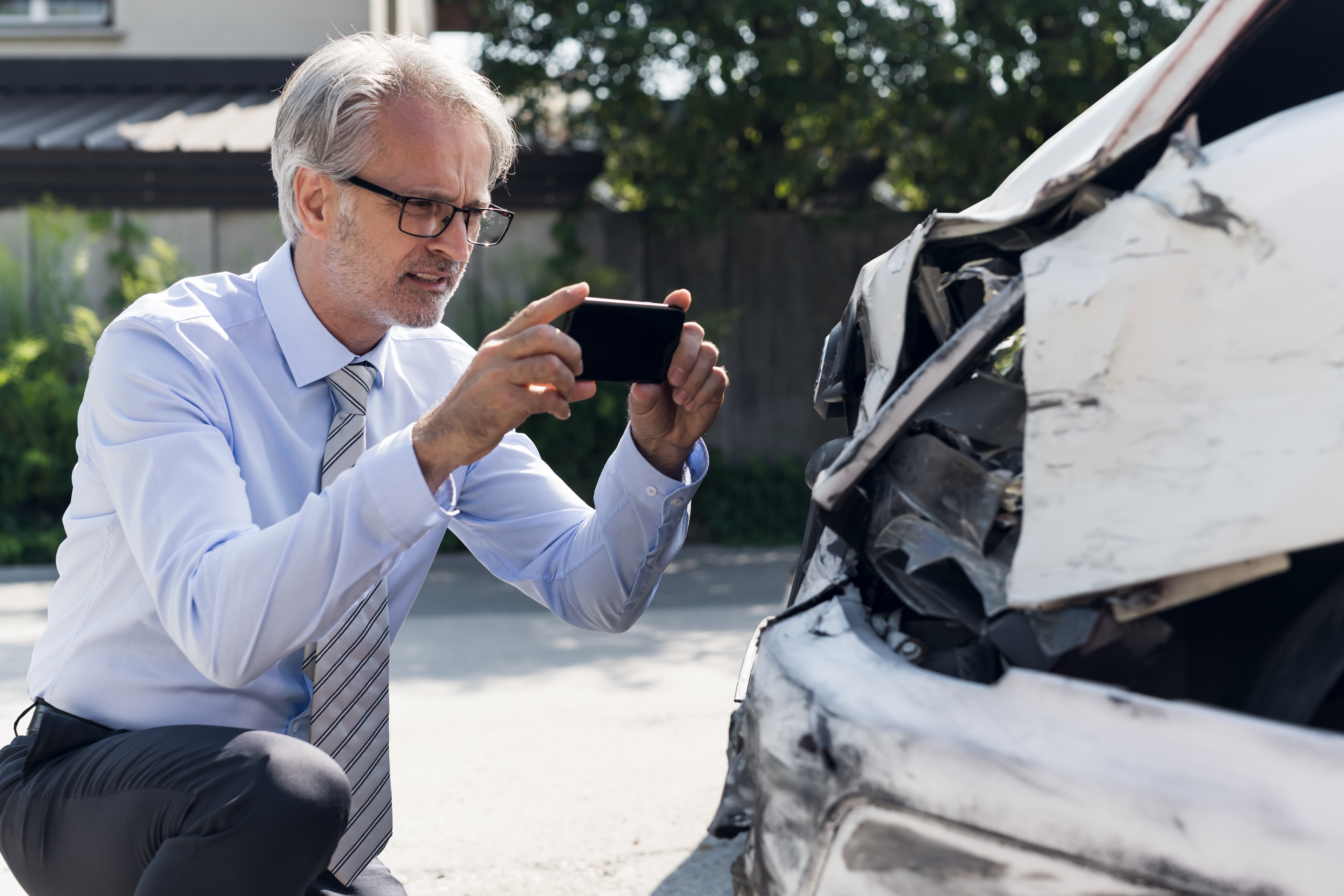 States With No-Fault Car Insurance Laws (and How No-Fault Car Insurance Works)
A breakdown of the confusing rules around no-fault car insurance in every state where it exists.
-
 7 Frugal Habits to Keep Even When You're Rich
Some frugal habits are worth it, no matter what tax bracket you're in.


-
 AI Appliances Aren’t Exciting Buyers…Yet
The Kiplinger Letter Artificial intelligence is being embedded into all sorts of appliances. Now sellers need to get customers to care about AI-powered laundry.
-
 Banks Are Sounding the Alarm About Stablecoins
The Kiplinger Letter The banking industry says stablecoins could have a negative impact on lending.
-
 When Tech is Too Much
Our Kiplinger Retirement Report editor, David Crook, sounds off on the everyday annoyances of technology.
-
 Big Changes Are Ahead for Higher Ed
The Kiplinger Letter A major reform of higher ed is underway. Colleges are bracing for abrupt change, financial headwinds and uncertainty.
-
 I Let AI Read Privacy Policies for Me. Here's What I Learned
A reporter uses AI to review privacy policies, in an effort to better protect herself from fraud and scams.
-
 What New Tariffs Mean for Car Shoppers
The Kiplinger Letter Car deals are growing scarcer. Meanwhile, tax credits for EVs are on the way out, but tax breaks for car loans are coming.
-
 AI’s Rapid Rise Sparks New Cyber Threats
The Kiplinger Letter Cybersecurity professionals are racing to ward off AI threats while also using AI tools to shore up defenses.
-
 Blue Collar Workers Add AI to Their Toolboxes
The Kiplinger Letter AI can’t fix a leak or install lighting, but more and more tradespeople are adopting artificial intelligence for back-office work and other tasks.


