Fed Rate Cuts Still on Hold
With inflation stubbornly elevated, the Federal Reserve will keep interest rates high for now.

You are now subscribed
Your newsletter sign-up was successful
Want to add more newsletters?

Delivered daily
Kiplinger Today
Profit and prosper with the best of Kiplinger's advice on investing, taxes, retirement, personal finance and much more delivered daily. Smart money moves start here.

Sent five days a week
Kiplinger A Step Ahead
Get practical help to make better financial decisions in your everyday life, from spending to savings on top deals.

Delivered daily
Kiplinger Closing Bell
Get today's biggest financial and investing headlines delivered to your inbox every day the U.S. stock market is open.

Sent twice a week
Kiplinger Adviser Intel
Financial pros across the country share best practices and fresh tactics to preserve and grow your wealth.

Delivered weekly
Kiplinger Tax Tips
Trim your federal and state tax bills with practical tax-planning and tax-cutting strategies.

Sent twice a week
Kiplinger Retirement Tips
Your twice-a-week guide to planning and enjoying a financially secure and richly rewarding retirement

Sent bimonthly.
Kiplinger Adviser Angle
Insights for advisers, wealth managers and other financial professionals.

Sent twice a week
Kiplinger Investing Weekly
Your twice-a-week roundup of promising stocks, funds, companies and industries you should consider, ones you should avoid, and why.

Sent weekly for six weeks
Kiplinger Invest for Retirement
Your step-by-step six-part series on how to invest for retirement, from devising a successful strategy to exactly which investments to choose.
To help you understand what is going on in the economy our highly experienced Kiplinger Letter team will keep you abreast of the latest developments and forecasts (Get a free issue of The Kiplinger Letter or subscribe). You'll get all the latest news first by subscribing, but we will publish many (but not all) of the forecasts a few days afterward online. Here’s the latest…
What’s it going to take to beat inflation and, by extension, allow the Federal Reserve to cut interest rates from their 20-year highs? And when exactly might that happen?
There’s no near-term relief in sight. Consumers are spending heavily — which is good for the economy and for businesses’ profits, but bad for the Fed as it tries to lower inflation. Spending on most goods has settled down, which has helped to curb price increases of goods outside of food and energy in the first quarter. (Gasoline prices are up 18%, but they appear to be leveling off now, barring further escalation of the fighting and tensions in the Middle East.) It’s services people are buying a lot of. That drives up prices, and then wages in many service industries — a negative feedback loop. That strong spending is likely to continue, as wage growth falls only slowly.
From just $107.88 $24.99 for Kiplinger Personal Finance
Become a smarter, better informed investor. Subscribe from just $107.88 $24.99, plus get up to 4 Special Issues

Sign up for Kiplinger’s Free Newsletters
Profit and prosper with the best of expert advice on investing, taxes, retirement, personal finance and more - straight to your e-mail.
Profit and prosper with the best of expert advice - straight to your e-mail.
On top of that, consumers are saving a lot less to keep spending — the national savings rate is down to just 3.2%, vs. the 7% average over the past 10 years. Again, that's good for profits and economic growth now, but bad for lowering inflation. (In addition, it raises the uncomfortable question of how folks will cope when the economy falters.) As Fed Chair Jerome Powell has signaled, interest rate cuts aren’t imminent. There’s a slim chance of a cut on July 31, but only if inflation drops soon, showing steady downward progress in the three months before the Fed’s July meeting.
There’s reason to think the monthly Consumer Price Index reports will show a cooling in inflation, since housing, car repairs and insurance are big inflation drivers now. There are signs of rents easing, and automotive work can’t keep soaring forever. But it’s not clear that any of those price pressures will ease enough in the near term to bring overall inflation down and allow the Fed to consider an initial rate cut. We think the best odds of a Fed rate cut are in November, right after the election. Inflation just looks too entrenched for now to justify a cut in July. (The Fed also meets in September, but we are skeptical it would act then, during the height of election campaign season.) Readers should also prepare for the chance of no drop in interest rates this year, an idea that would have shocked Wall Street a few months ago but looks possible now. Powell has been steadfast so far in insisting on getting inflation near the Fed’s target of 2% before trimming interest rates. And while some of the factors fueling inflation — rents, especially — should ease in coming months, other price pressures may worsen. For instance, California’s recent hike in the minimum wage for fast-food employees could help keep overall wage growth strong enough to lift the headline inflation rate.
The bulk of inflation relief will come next year, as will most Fed rate cutting.
This forecast first appeared in The Kiplinger Letter, which has been running since 1923 and is a collection of concise weekly forecasts on business and economic trends, as well as what to expect from Washington, to help you understand what’s coming up to make the most of your investments and your money. Subscribe to The Kiplinger Letter.

-
 The New Reality for Entertainment
The Kiplinger Letter The entertainment industry is shifting as movie and TV companies face fierce competition, fight for attention and cope with artificial intelligence.
-
 Stocks Sink With Alphabet, Bitcoin: Stock Market Today
A dismal round of jobs data did little to lift sentiment on Thursday.
-
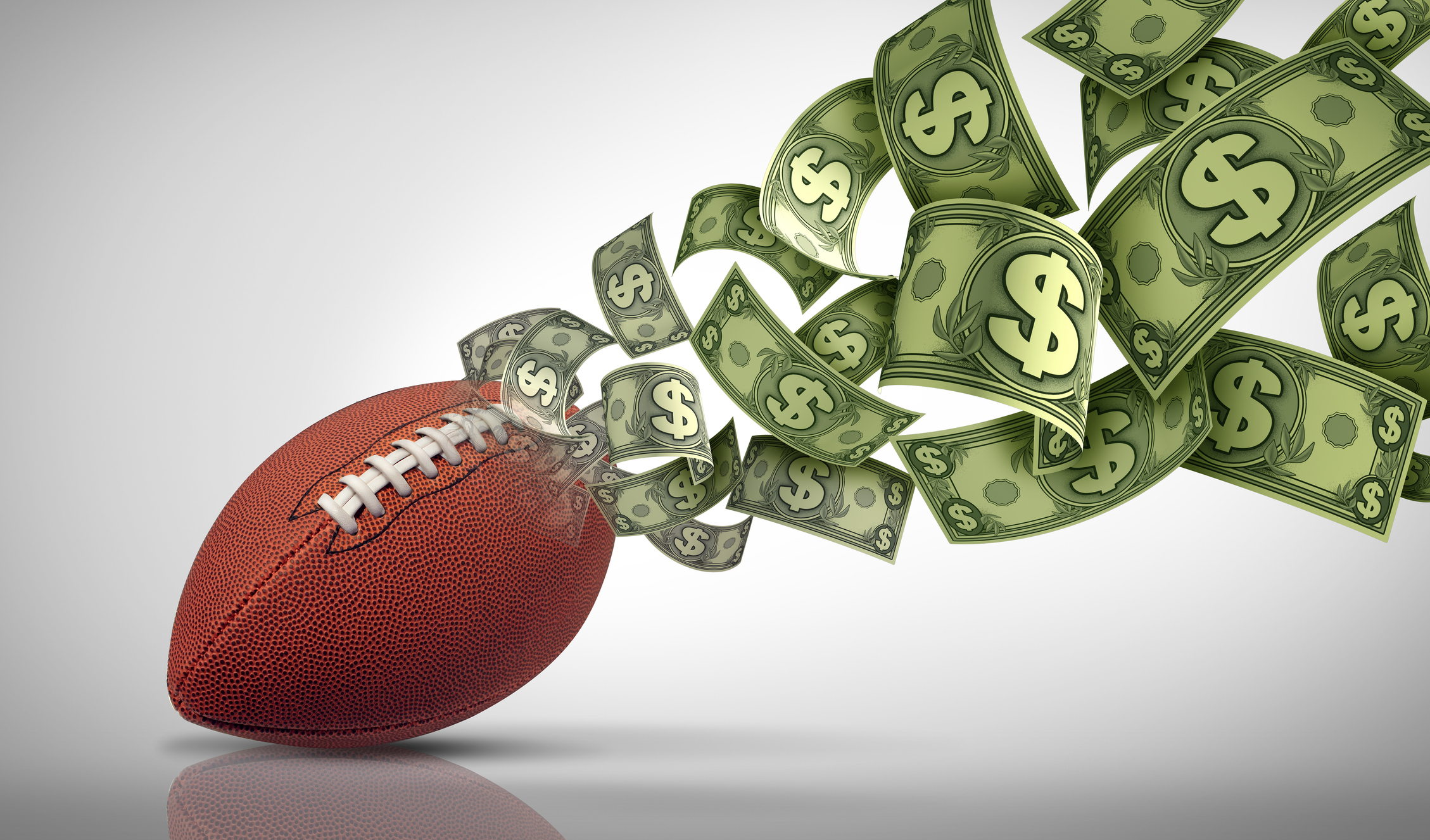 Betting on Super Bowl 2026? New IRS Tax Changes Could Cost You
Taxable Income When Super Bowl LX hype fades, some fans may be surprised to learn that sports betting tax rules have shifted.


-
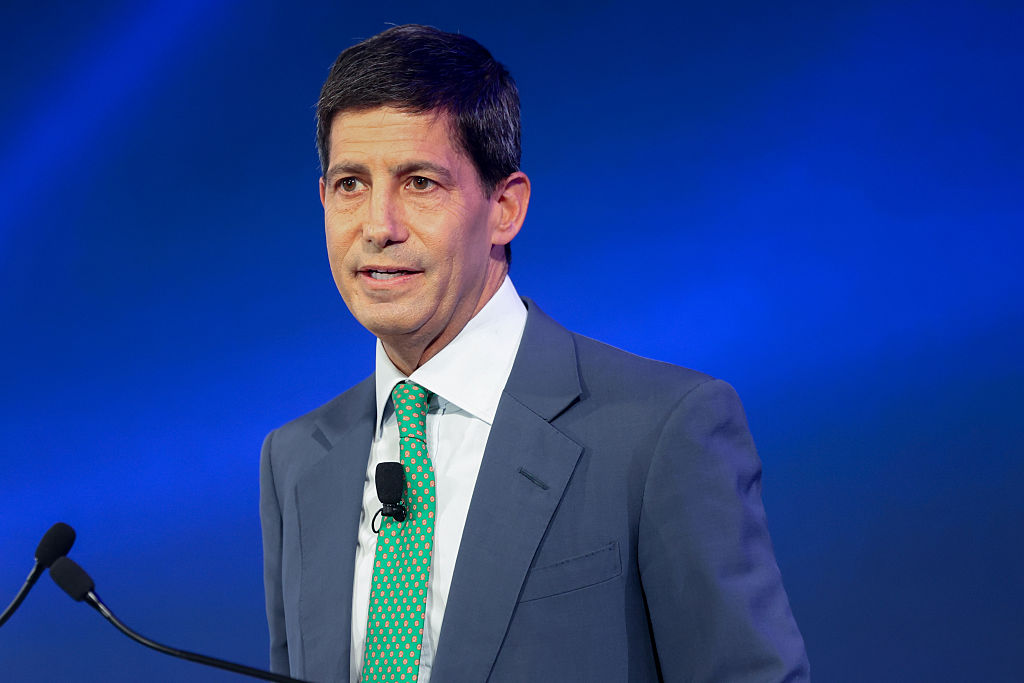 The New Fed Chair Was Announced: What You Need to Know
President Donald Trump announced Kevin Warsh as his selection for the next chair of the Federal Reserve, who will replace Jerome Powell.
-
 The U.S. Economy Will Gain Steam This Year
The Kiplinger Letter The Letter editors review the projected pace of the economy for 2026. Bigger tax refunds and resilient consumers will keep the economy humming in 2026.
-
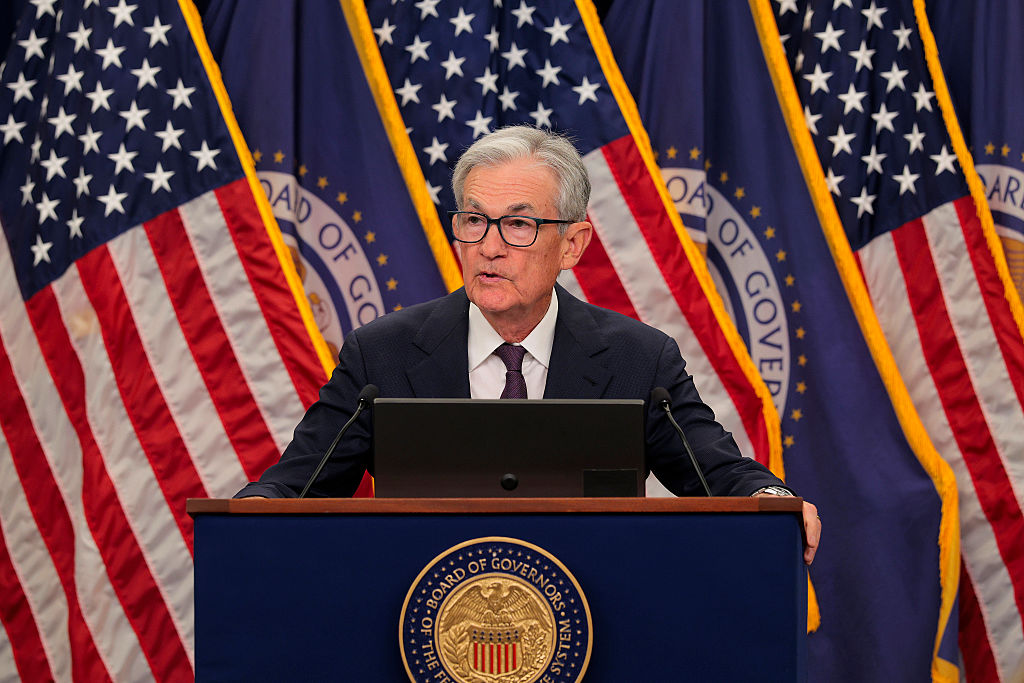 January Fed Meeting: Updates and Commentary
The January Fed meeting marked the first central bank gathering of 2026, with Fed Chair Powell & Co. voting to keep interest rates unchanged.
-
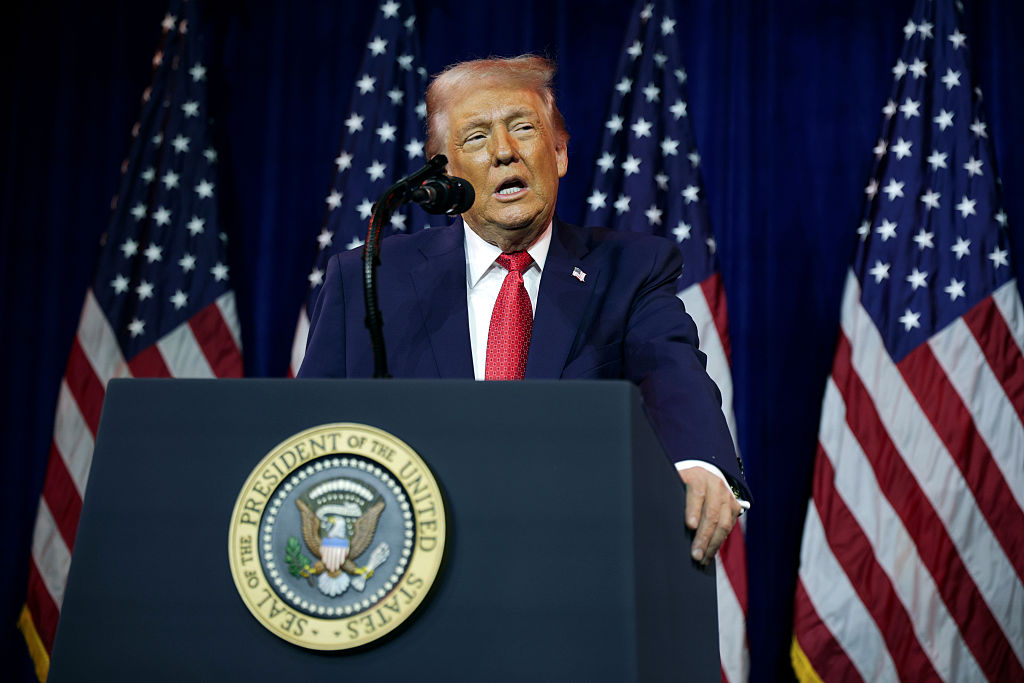 Trump Reshapes Foreign Policy
The Kiplinger Letter The President starts the new year by putting allies and adversaries on notice.
-
 Congress Set for Busy Winter
The Kiplinger Letter The Letter editors review the bills Congress will decide on this year. The government funding bill is paramount, but other issues vie for lawmakers’ attention.
-
 The December CPI Report Is Out. Here's What It Means for the Fed's Next Move
The December CPI report came in lighter than expected, but housing costs remain an overhang.
-
 How Worried Should Investors Be About a Jerome Powell Investigation?
The Justice Department served subpoenas on the Fed about a project to remodel the central bank's historic buildings.
-
 The December Jobs Report Is Out. Here's What It Means for the Next Fed Meeting
The December jobs report signaled a sluggish labor market, but it's not weak enough for the Fed to cut rates later this month.


