7 Money-Smart Ways to Spend Your Tax Refund
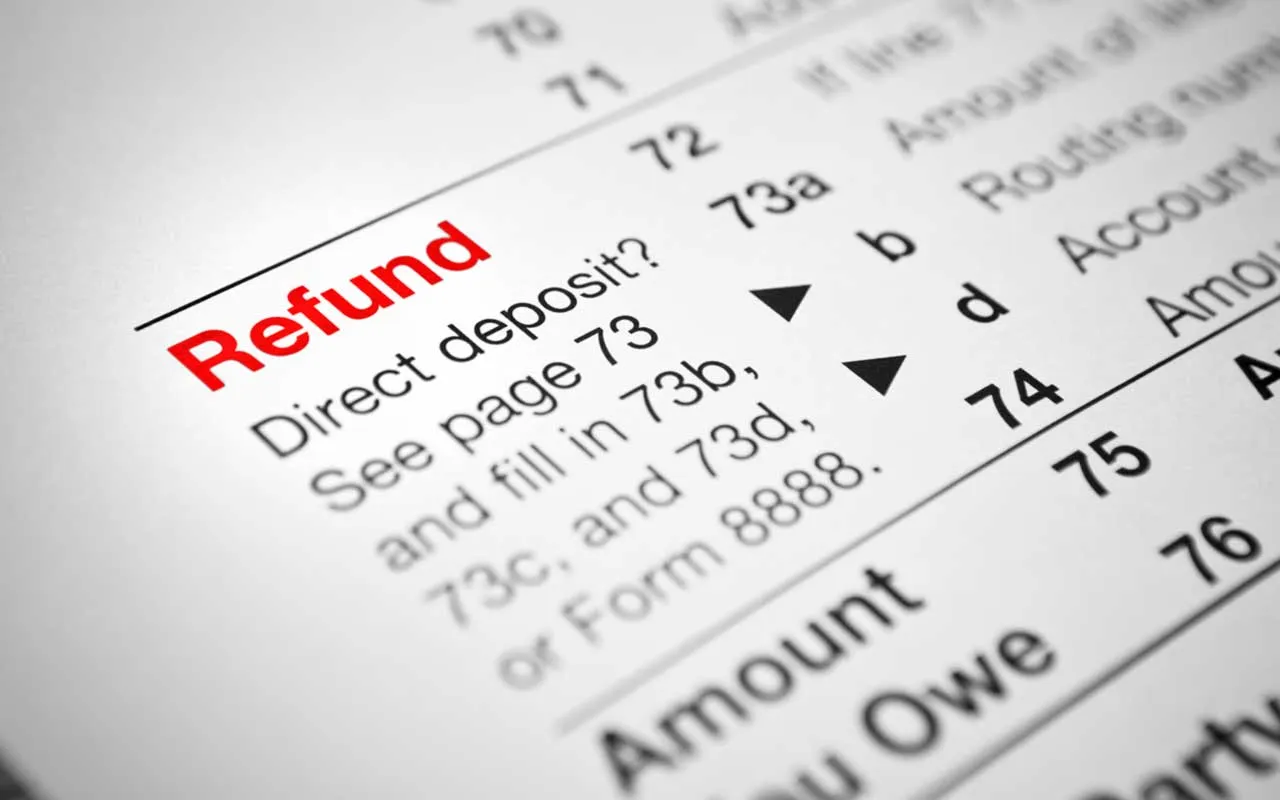
Nearly 60% of taxpayers expect a refund this year, and many will receive a larger amount.

You are now subscribed
Your newsletter sign-up was successful
Want to add more newsletters?

Delivered daily
Kiplinger Today
Profit and prosper with the best of Kiplinger's advice on investing, taxes, retirement, personal finance and much more delivered daily. Smart money moves start here.

Sent five days a week
Kiplinger A Step Ahead
Get practical help to make better financial decisions in your everyday life, from spending to savings on top deals.

Delivered daily
Kiplinger Closing Bell
Get today's biggest financial and investing headlines delivered to your inbox every day the U.S. stock market is open.

Sent twice a week
Kiplinger Adviser Intel
Financial pros across the country share best practices and fresh tactics to preserve and grow your wealth.

Delivered weekly
Kiplinger Tax Tips
Trim your federal and state tax bills with practical tax-planning and tax-cutting strategies.

Sent twice a week
Kiplinger Retirement Tips
Your twice-a-week guide to planning and enjoying a financially secure and richly rewarding retirement

Sent bimonthly.
Kiplinger Adviser Angle
Insights for advisers, wealth managers and other financial professionals.

Sent twice a week
Kiplinger Investing Weekly
Your twice-a-week roundup of promising stocks, funds, companies and industries you should consider, ones you should avoid, and why.

Sent weekly for six weeks
Kiplinger Invest for Retirement
Your step-by-step six-part series on how to invest for retirement, from devising a successful strategy to exactly which investments to choose.
The average federal tax refund so far this year is $3,103 – up 8% from the same period in 2021. But instead of using the money for a summer vacation, many people who are struggling with rising inflation will need to use their refunds to pay for gas and groceries.
If you're fortunate enough to have the essentials covered, you may be tempted to treat yourself to dinner at your favorite restaurant or a nice bottle of wine. Fine. But once you've scratched that itch, consider these ways to put the rest of your tax refund to work for you.

Shore Up (or Start) Your Emergency Fund
Even if you're fully employed now, there's no guarantee that your hours won't be cut, your salary reduced, or your job eliminated down the road. That means it's more important than ever to have money set aside for emergencies. That way, you won't have to run up credit card debts or raid your retirement savings to pay the bills until you get back on your feet.
Aim for six months of living expenses — more if you're the sole provider for your family. Interest rates are still low right now, but you can eke out higher rates by putting your savings in an online bank account. Look for one with no minimum balance requirement or monthly fees.
Sponsored Content



Pay Off High-Interest Debt
In an effort to curb inflation, the Federal Reserve is expected to hike short-term interest rates several times this year, and that means credit card rates will rise, too. The average credit card interest rate is already a hefty 16.36% as of April 20, 2022, according to CreditCards.com. Pay off your unpaid balances and you'll get a return on your investment a successful hedge fund manager would envy. If you're able to pay off the entire balance, you'll also eliminate a monthly expense, which will give you some breathing room if you lose your job.
Sponsored Content

Save for Retirement
If you have a Roth or traditional IRA, consider putting some of your refund money in the account now so you'll have more money when you retire. If you don't already have an IRA, think about getting one. The maximum amount you can contribute to your IRAs in 2022 is $6,000 — $7,000 if you're 50 or older — so you can stash your entire refund there if you don't need it for anything else.
If you're not inclined to build your own portfolio, consider investing in a target-date fund, which will invest in a mix of stocks and bonds, based on how many years you're away from retirement.
Sponsored Content

Invest in a 529 College Savings Plan
Contributions to a 529 college savings plan grow tax-free, and withdrawals aren't taxed if you use them for qualified expenses, such as college tuition and room and board. You can invest all or a portion of your tax refund — 529 plans typically have very low minimums. Plus, your state may give you a tax deduction or credit if you invest in your own state's plan. If your children are young, you have many years for investments in the plan to compound and grow. To research plans, go to savingforcollege.com.
Sponsored Content

Protect Yourself from Unexpected Health Care Costs
If you have a high-deductible health insurance plan (a deductible of at least $1,400 for single coverage or $2,800 for family coverage), you can contribute to a health savings account. An HSA gives you a triple tax break — your contributions are tax-deductible (or pre-tax if through your employer), the money grows tax-deferred, and you can use it tax-free to pay out-of-pocket medical expenses in any year (there's no use-it-or-lose-it rule).
The CARES Act increased the types of expenses that are eligible for tax-free withdrawals from your HSA. In addition to health insurance deductibles, co-payments, prescription drugs and medical expenses that aren't covered by your insurance, you can use tax-free withdrawals to pay for most over-the-counter medications and feminine-hygiene products. Although health-insurance premiums are typically not considered qualified medical expenses, there's an exception if you use withdrawals to pay COBRA premiums or for other health-insurance premiums if you're collecting unemployment benefits.
Sponsored Content

Protect Yourself from Natural Disasters
Hurricane season is almost here, so if you live in a vulnerable area, consider using your refund money to protect your home. A home generator will keep the lights on and the food cold during a power outage. A 6.5 kw portable home generator costs about $800 to $1,000. You also can use the money to pay someone to trim your trees, which will help protect your home from some of the most common types of storm damage.
Sponsored Content

Upgrade Your Home Office
If the COVID-19 pandemic still has you working from home, you're probably well aware by now of the inadequacies of your home office. Use your refund to buy a standing desk — the Uplift V2 can be customized for a wide range of heights and retails for about $550. Is your back acting up? Maybe you need a new chair. The Alera Elusion Mesh Mid-Back Swivel/Tilt Chair, which retails for about $160, features a contoured seat cushion that's designed to relieve pressure on your legs.
Sponsored Content

-
 Dow Adds 1,206 Points to Top 50,000: Stock Market Today
The S&P 500 and Nasdaq also had strong finishes to a volatile week, with beaten-down tech stocks outperforming.
-
 Ask the Tax Editor: Federal Income Tax Deductions
Ask the Editor In this week's Ask the Editor Q&A, Joy Taylor answers questions on federal income tax deductions
-
 States With No-Fault Car Insurance Laws (and How No-Fault Car Insurance Works)
A breakdown of the confusing rules around no-fault car insurance in every state where it exists.


-
 Can I Deduct My Pet On My Taxes?
Tax Deductions Your cat isn't a dependent, but your guard dog might be a business expense. Here are the IRS rules for pet-related tax deductions in 2026.
-
 Tax Season 2026 Is Here: 8 Big Changes to Know Before You File
Tax Season Due to several major tax rule changes, your 2025 return might feel unfamiliar even if your income looks the same.
-
 2026 State Tax Changes to Know Now: Is Your Tax Rate Lower?
Tax Changes As a new year begins, taxpayers across the country are navigating a new round of state tax changes.
-
 States That Tax Social Security Benefits in 2026
Retirement Tax Not all retirees who live in states that tax Social Security benefits have to pay state income taxes. Will your benefits be taxed?
-
 3 Major Changes to the Charitable Deduction for 2026
Tax Breaks About 144 million Americans might qualify for the 2026 universal charity deduction, while high earners face new IRS limits. Here's what to know.
-
 Retirees in These 7 States Could Pay Less Property Taxes Next Year
State Taxes Retirement property tax bills could be up to 65% cheaper for some older adults in 2026. Do you qualify?
-
 Estate Tax Quiz: Can You Pass the Test on the 40% Federal Rate?
Quiz How well do you know the new 2026 IRS rules for wealth transfer and the specific tax brackets that affect your heirs? Let's find out!
-
 5 Types of Gifts the IRS Won’t Tax: Even If They’re Big
Gift Tax Several categories of gifts don’t count toward annual gift tax limits. Here's what you need to know.


